It shouldn’t be national news, but it is
The 35-year-old mayor of Yawata City announced this week that she will take maternity leave this fall, making her the first sitting mayor in Japan to do so. The baby is due in September, Shoko Kawada said, and she plans to take as much as four months of leave, before and after the birth. Once she returns to office, she may combine reduced hours with some online work, but she promises to minimize the impact on her constituents.
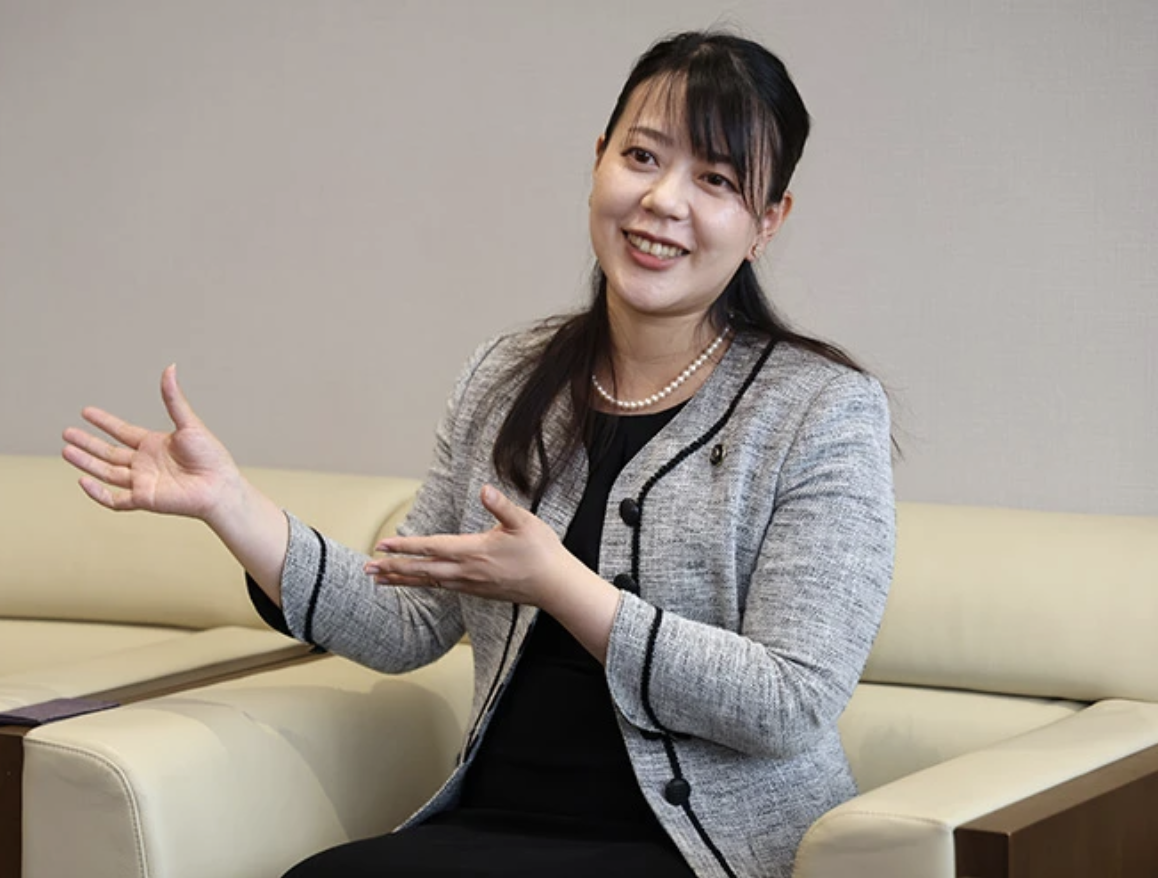
Yawata Mayor Shoko Kawada (Asahi.com)
The response has been predictable and not radically different from what she might encounter if she made the same announcement in the United States. Critics say Kawada shouldn’t have run for office if she had plans to get pregnant, given that taxpayers are paying her salary. Supporters, particularly fellow female elected officials, say her courage gives them hope for the future. They point to former New Zealand Prime Minister Jacinda Ardern, who gave birth in 2018 and continued successfully to serve fellow kiwis until 2023.
There are legitimate issues to be addressed when an elected official takes maternity leave, but they are surmountable. The corporate world has been solving similar problems for decades, and long before that, elected officials sometimes took leave for illness or injury. We know what the problems are. A deputy must be appointed, a proxy voter must cast votes, and contingency plans should be in place in case of an emergency requiring major, short-fuse decisions.
The longer-term career implications for women who take maternity leave are mixed, even in countries with supportive laws. Shoko Kawada’s decision to take a monthslong maternity leave while in office may put a damper on her future political ambitions, but honestly, we all make hard choices in our lives. Many years ago, the movie star Katharine Hepburn said that women can’t have it all. She implied that they need to decide between career and family. It was true then, fifty-plus years ago, and it’s hard even now.
Speaking as a former working mother, I have nuanced feelings. Bringing baby to the legislative chamber to cast a vote might make for great social media optics, but it isn’t practical. Let’s face it, babies are disruptive, and a woman needs to say that, because many supportive and sympathetic men know better than to say it out loud, even if they’re thinking it. Babies and children cry, scream, yell, run around, knock things over, and distract mom and everyone else in earshot from work that needs to get done. The times I had to bring my own son to the office—when a nanny called in sick or summer camp ended (as it always seemed to do) weeks before school resumed in the fall—I didn’t get much done. My co-workers were gracious, but it was, frankly, a bit chaotic.
With its aging demographic, Japan should lean in to every opportunity to make life easier for mothers. The shift to remote work is happening in Japan, just as it is in the US, and it offers new options for working parents. So, too, does the increased involvement of fathers in parenting.
For elected officials in Japan, it will be easier next time, and the next time, and the next. Precedents will be set, regulations and protections will be written, and this won’t be news any longer. For now, I’m proud of Shoko Kawada and am confident that she’ll handle her new balancing act with grace. That’s what moms do.